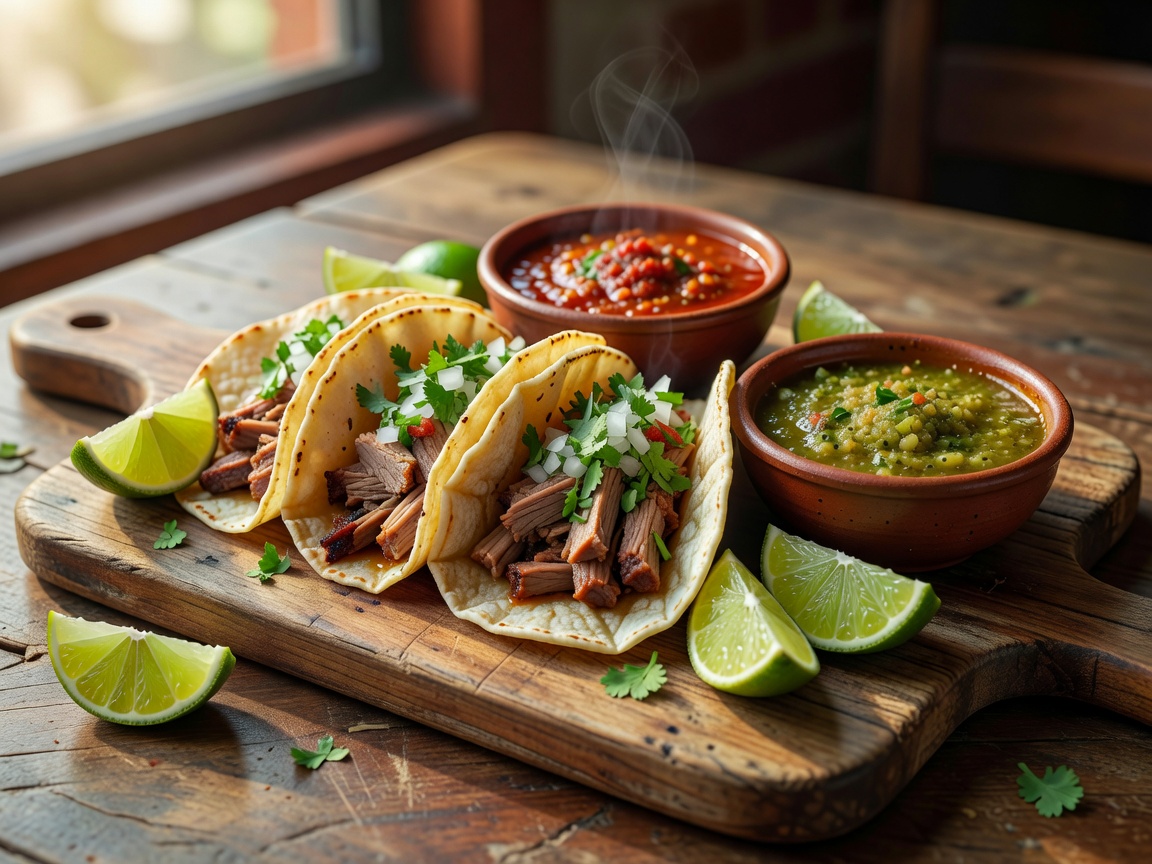
Modern Mexican street food is often celebrated for its vibrant immediacy, but behind every pot of simmering birria or stack of al pastor lies centuries of global maritime trade and botanical exchange.
The Manila Galleons & The Pacific Exchange
Between 1565 and 1815, the Manila Galleon trade route linked Acapulco in Mexico directly to Manila in the Philippines. Spanish merchant ships carried Mexican silver west and returned laden with Asian spices: black pepper, cinnamon, clove, and star anise.
These imported spices merged seamlessly with indigenous Mesoamerican ingredients such as achiote (annatto seed), allspice (pimenta dioica), wild oregano, and dried chilies like guajillo and ancho.
Anatomy of an Authentic Street Adobo
The foundation of Mexican street cart marinades is the balance between earthiness, acidity, warmth, and fruitiness:
- Achiote Paste: Derived from seeds of the Bixa orellana tree, providing deep brick-red color and subtle earthy bitterness.
- Guajillo Chilies: Mild, sweet dried chili pods giving smooth texture, berry-like acidity, and warmth without overpowering heat.
- Old World Aromatics: Cumin, black peppercorns, and Mexican cinnamon (Canela) toasted whole before grinding.
- Acidic Catalyst: Bitter orange juice or raw apple cider vinegar that breaks down tough meat fibers during overnight marination.
Legacy on the Modern Sidewalk
From Yucatan cochinita pibil stalls to Mexico City taco carts, street vendors continue to grind spice pastes daily. This ancestral knowledge of spice synthesis ensures that every taco served carries the deep historical heritage of global trade routes.