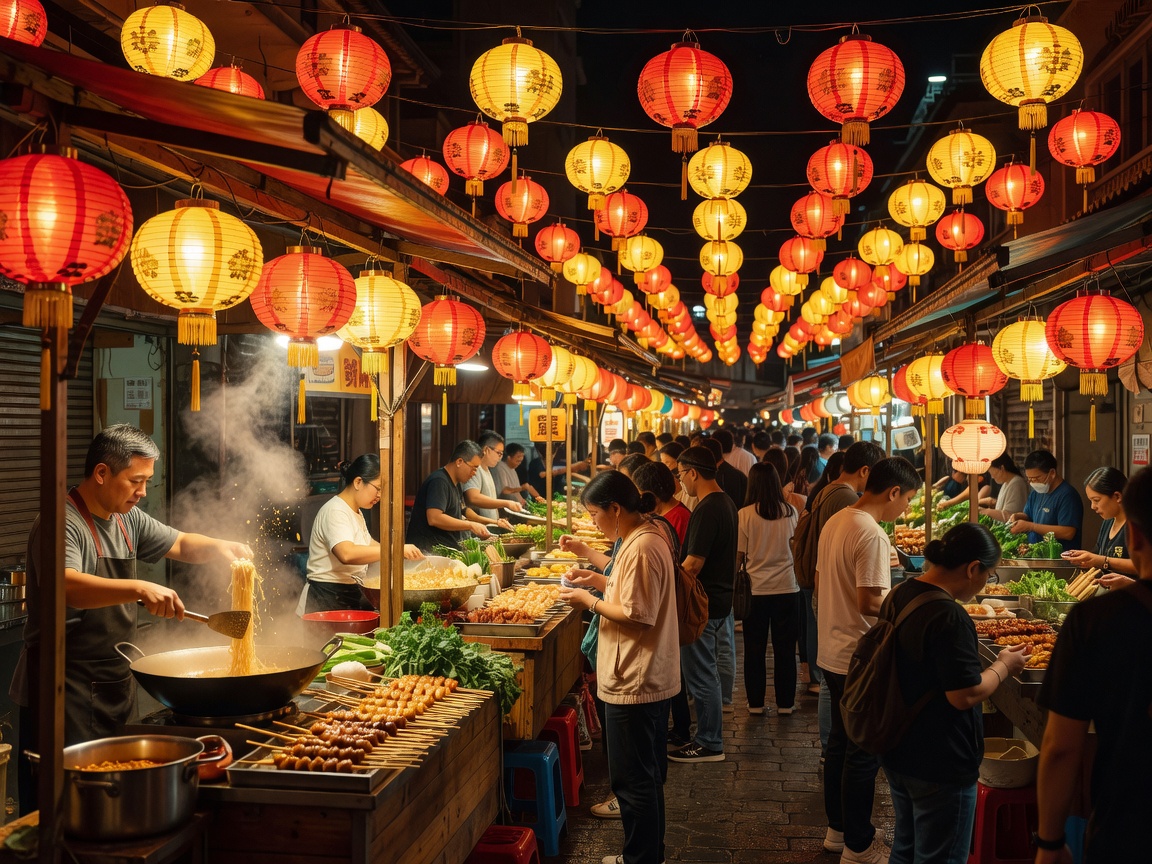
As dusk settles over metropolises like Taipei, Penang, Bangkok, and Osaka, a magical transformation occurs. Concrete sidewalks and quiet parking lots roar to life with glowing red lanterns, sizzling woks, and the irresistibly complex aromas of simmering broths and grilled skewers. These are Asia's legendary night markets.
The Great Social Equalizer
In high-density modern cities where air-conditioned shopping malls and luxury high-rises dominate the skyline, night markets remain democratized spaces. Here, corporate executives in suits sit on plastic stools alongside university students, construction workers, and multi-generational families.
Food in a night market is fast, affordable, and unpretentious—yet executed with precision honed over decades of repetitive craft by vendor families.
Preserving Heritage Recipes Against Urbanization
Many dish recipes served in night markets cannot be found in conventional brick-and-mortar restaurants. They rely on specialized equipment—such as charcoal-heated clay ovens, wide cast-iron griddles, or customized vertical broth cauldrons—that require constant flame management.
- Taipei (Shilin & Raohe): Famed for black pepper pork buns (Huji Bing) slapped against clay oven walls, stinky tofu, and herbal pork rib soups.
- Penang (Gurney Drive): Multi-ethnic hawker hubs combining Hokkien mee, Malay satay, and Nyonya laksa under one roof.
- Osaka (Dotonbori): Steaming octopus takoyaki balls and crispy skewers (kushikatsu) served with secret dipping sauces.
Navigating the Future of Street Cart Culture
While urban redevelopment and strict sanitation regulations present challenges to traditional street cart vendors, modern night markets continue to adapt. Micro-entrepreneurs are introducing sustainable packaging, digital payments, and innovative fusion dishes, ensuring that night market culture remains resilient and vibrant for future generations.